 Pin It
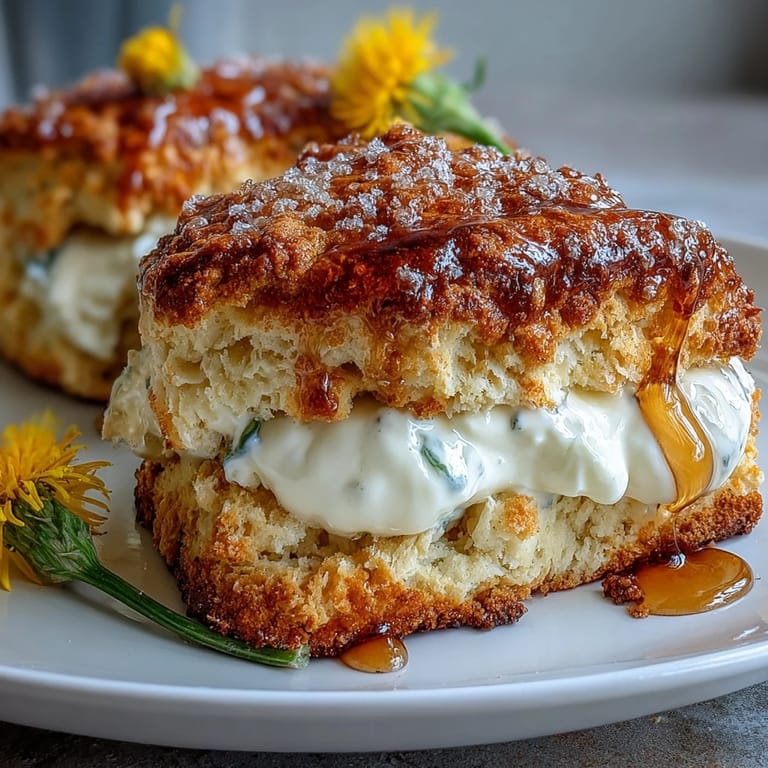
 The first time I made these dandelion honey scones, the kitchen filled with the scent of spring—warm, floral, and just a hint grassy from the honey. I remember feeling thrilled by how the golden dough reflected the afternoon sunlight as I worked, especially after spotting a jar of dandelion honey tucked behind the tea bags. Making scones always feels a bit like sculpting, and this batch had me laughing as the butter cubes threatened to disappear into my hands. The gentle sweetness, paired with clotted cream, turned out to be the perfect excuse for pausing the day and savoring a moment. Nothing quite says "tea time" like these soft scones fresh from the oven, ready to melt on your tongue.
It’s funny, I once surprised my neighbor Jean with these scones when she mentioned missing her childhood tea rituals. We ended up sharing them on her patio, watching bees circle her dandelions and marveling at how homemade sweets can brighten even the simplest afternoons. There’s something about the connection between nature and baking that leaves people smiling before the first bite.
Ingredients
- All-purpose flour: Sifted flour helps the scones stay light and prevents a dense crumb—don't skip this step if you want true fluffiness.
- Granulated sugar: Opt for fine sugar so it dissolves easily, giving just a gentle sweetness without overpowering the honey.
- Baking powder: This lifts the dough beautifully; always check your baking powder isn't expired for the best rise.
- Fine sea salt: Balances the sweetness and enhances the delicate flavor notes in the honey and butter.
- Cold unsalted butter: Keep it fridge-cold right until mixing; those nuggets create melt pockets and the golden crust.
- Dandelion honey: If you can find it, the earthy blossom notes really set these scones apart—mild honey works fine in a pinch.
- Whole milk: Rich milk helps with the texture; sometimes I use buttermilk for a touch more tang.
- Large egg: Adds richness and binds the dough for perfect shaping.
- Dandelion honey (to serve): A drizzle brings out the floral aroma right before you eat.
- Clotted cream: Luxurious and thick—if unavailable, mascarpone or crème fraîche do a lovely job as substitutes.
Tired of Takeout? 🥡
Get 10 meals you can make faster than delivery arrives. Seriously.
One email. No spam. Unsubscribe anytime.
Instructions
- Heat Up and Prep:
- Preheat your oven to 400°F (200°C) and line a baking sheet with parchment, feeling the anticipation grow as the kitchen warms.
- Mix the Dry:
- Grab a roomy mixing bowl and whisk the flour, sugar, baking powder, and salt; listen for the soft whisper of ingredients coming together as an even blend.
- Butter Rub-In:
- Drop in those butter cubes and rub them gently with a pastry blender or your fingers until it feels sandy with little cold bits—this is where scone magic happens.
- Combine Wet Ingredients:
- In a smaller bowl, whisk honey, milk, and egg until smooth and golden; the honey smells quietly herbal and sweet when it's mixed in.
- Bring Together:
- Pour wet into dry, stirring with a fork or spatula just until combined—don’t worry about a few floury streaks, as overmixing makes them tough.
- Shape the Dough:
- Turn out onto a lightly floured surface, pat the dough gently to a 1-inch thickness; feeling the soft, cool dough is oddly satisfying.
- Cut and Arrange:
- Use a 2.5-inch cutter, pressing straight down for clean edges, and arrange scones on your sheet; gather scraps and repeat—each gets their own little spot.
- Dress the Tops:
- Brush with a touch of milk for shine and a golden hue, like painting a finishing touch before baking.
- Bake to Gold:
- Slide into the oven for 12–15 minutes; the kitchen fills with the scent of honey as they swell and brown.
- Serve and Enjoy:
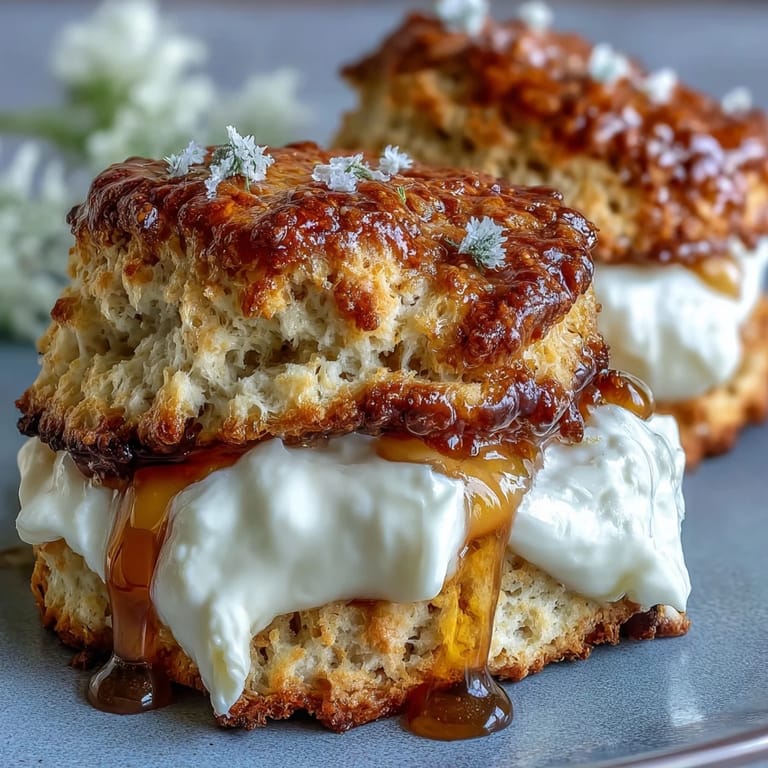
- Transfer to a rack, then eat warm (or cooled), layering clotted cream and extra honey for peak indulgence.
 Pin It
 One spring afternoon, my sister used these scones as an excuse to gather everyone for tea, and we ended up lingering far past dessert, swapping stories by the window. The clotted cream brought laughter as she insisted on piling hers so high it almost toppled over—sometimes food slips into the center of the best family moments.
Spring Baking Joys
Making these scones with fresh air drifting in, I discovered how baking feels extra rewarding when the season matches your ingredients. Dandelion honey feels like a rare treat, evoking the brightness of spring lawns and the gentle hum of bees, and it makes baking feel connected to the world outside.
Afternoon Tea Success
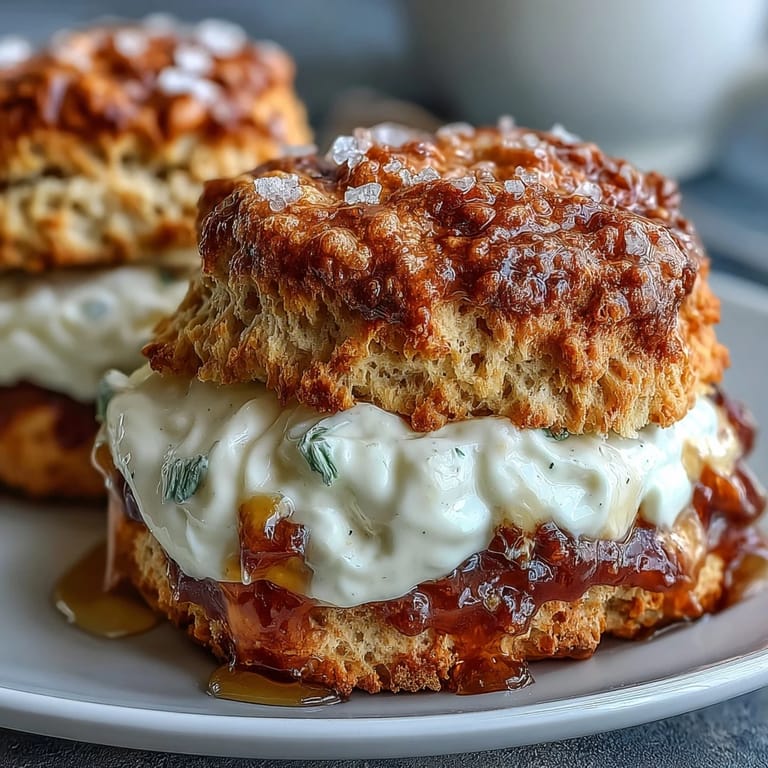
Serving these scones at tea always brings smiles—especially if you warm them briefly right before eating. I’ve noticed people gravitate to a flaky, golden treat topped with plenty of cream and honey, even if they never considered themselves scone fans.
Tiny Troubles and Quick Fixes
No matter how careful I am, a batch sometimes sticks or turns out uneven—for those moments, a little extra flour to dust and reshaping gently solves it fast. Scones aren’t meant to be too perfect, and their rustic charm is what makes each one special.
- If dough feels too sticky, chill for ten minutes before shaping.
- Bake scones side-by-side for softer edges and apart for crisper crusts.
- Don’t be afraid to re-roll dough scraps—they’re just as tasty.
 Pin It
 Each time you bake these scones, you’re creating a small celebration—the kind worth sharing if you’re lucky enough to have company. May your tray come out golden and your tea always taste a bit sweeter.
Recipe FAQs
- → How can I substitute dandelion honey?
Use a mild-flavored honey such as acacia or wildflower if dandelion honey is unavailable.
- → What if clotted cream isn't available?
Replace clotted cream with thick crème fraîche or mascarpone for a similar rich texture.
- → Can scones be made ahead of time?
Prepare and bake scones, then store them in an airtight container for up to two days; best served fresh.
- → How do I achieve a golden top on scones?
Brush the tops with milk before baking to create a beautiful golden finish.
- → Are there any allergen concerns?
The scones contain wheat, dairy, and egg. Check honey and cream labels for potential allergens.
- → What tools are essential for making scones?
You'll need mixing bowls, a pastry blender or fork, whisk, round cutter, baking sheet, parchment paper, and a pastry brush.