 Pin It
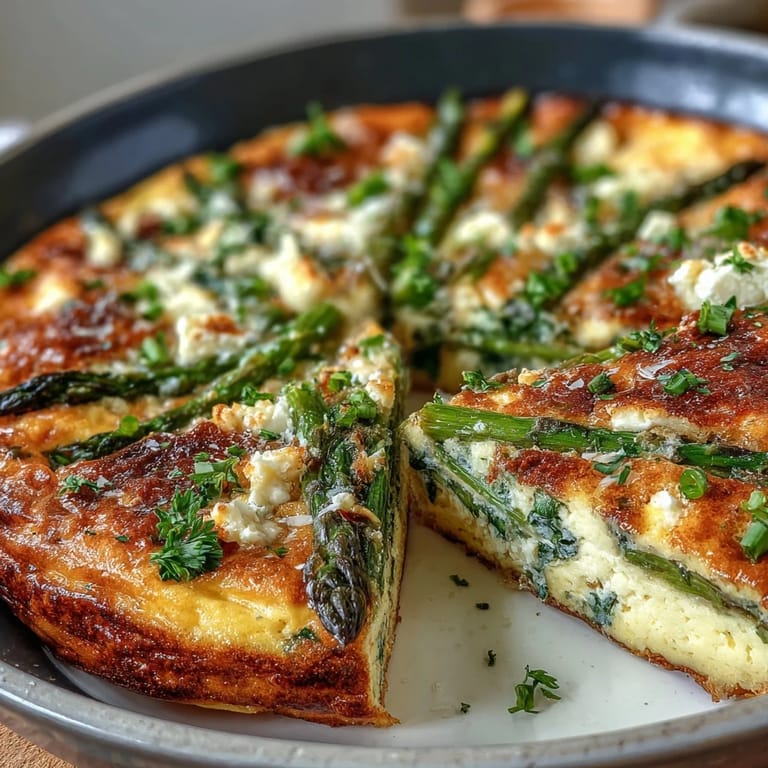
 Last spring, my neighbor knocked on my kitchen door with a basket of fresh asparagus from her garden, and I suddenly had this quiet moment of panic—what do I make that won't disappoint her? That's when this frittata came together almost by accident, the kind of dish that feels effortless once you understand it. The asparagus practically sang when it hit the warm oil, and by the time the goat cheese melted into those fluffy eggs, I knew I'd found something special. It's the sort of breakfast that tastes like you've been cooking all morning, when really it's barely taken half an hour.
There was this Sunday brunch where I served this to a table of friends who'd just finished a long week, and watching them eat quietly for the first few bites before someone said, 'This is exactly what I needed,' felt like the highest compliment. That frittata became something we made together over the years, with different people bringing different vegetables or swapping in cheese they loved. It stopped being just a recipe and started being this little ritual we all looked forward to.
Ingredients
- Asparagus: Trimmed and cut into 1-inch pieces—the tender stalks cook just enough in the skillet to stay a little firm while the tips get silky, and this is where that fresh spring flavor really matters.
- Baby spinach: Roughly chopped and added toward the end so it wilts gently instead of turning dark and lost in the eggs.
- Zucchini: Diced small so it softens evenly without releasing too much water that would make your frittata watery.
- Cherry tomatoes: Halved to release just enough juice for brightness without sogginess, added late so they keep their shape.
- Green onions: Sliced thin because their subtle onion bite gets buried if you add them too early or use the white parts that shout too loud.
- Large eggs: Eight of them whisked with milk creates that custard-like center that's still a little soft when it comes out of the oven, then sets perfectly as it cools.
- Whole milk or cream: A quarter cup keeps everything tender—too much and the frittata gets rubbery, too little and it feels dry.
- Goat cheese: Crumbled goat cheese in that 4-ounce amount gives you those pockets of tang without overpowering the vegetables, and it melts into the eggs without breaking.
- Parmesan cheese: Two tablespoons of grated Parmesan adds a salty, umami depth that makes people ask what your secret is.
- Fresh chives and parsley: Chopped and scattered on top before baking so they stay bright and fresh-tasting instead of cooked into nothing.
- Salt and black pepper: Season generously—the vegetables will absorb more than you think, and under-seasoning is the one mistake that makes a frittata taste flat.
- Olive oil: Two tablespoons of good olive oil helps the vegetables cook evenly and adds a subtle richness to every bite.
Tired of Takeout? 🥡
Get 10 meals you can make faster than delivery arrives. Seriously.
One email. No spam. Unsubscribe anytime.
Instructions
- Heat your oven and get the skillet ready:
- Start by preheating your oven to 375°F and letting an oven-safe skillet warm up with 2 tablespoons of olive oil over medium heat. This steady temperature is important—too hot and your vegetables brown instead of soften, too cool and they'll release water.
- Cook the spring vegetables until just tender:
- Add the asparagus and diced zucchini first, giving them 3 to 4 minutes to soften just slightly—you want them to still have a little resistance when you bite down. Stir occasionally so they cook evenly and develop a subtle golden edge where they touch the pan.
- Wilt in the leafy greens and softer vegetables:
- Once the asparagus is tender, scatter in the spinach, cherry tomatoes, and green onions, stirring gently for about 2 minutes until the spinach collapses and everything looks mixed together. The tomatoes should still be mostly whole at this point, not falling apart.
- Combine your eggs with milk and seasonings:
- While the vegetables settle, whisk together your 8 eggs with the milk, salt, and pepper in a separate bowl until the mixture is light and has a little foam on top. This whisking is how you get that fluffy texture, so don't skip it—mix for at least a minute.
- Pour the egg mixture into the skillet and add cheese:
- Pour the whisked eggs evenly over the vegetables, letting them flow around everything, then sprinkle the crumbled goat cheese, Parmesan, chives, and parsley all over the surface. Let it sit for about 30 seconds so the eggs start to recognize the vegetables and cheese are there.
- Start setting the eggs on the stovetop:
- Leave the skillet on medium heat for 3 to 4 minutes—you'll see the edges start to set and turn opaque while the center stays soft and jiggly. This head start prevents the bottom from cooking too fast before the middle catches up.
- Finish cooking in the oven:
- Transfer the skillet to your preheated oven and bake for 12 to 15 minutes until the center barely jiggles when you gently shake the pan and the top looks set with a light golden color. A little carryover cooking will happen as it cools, so pull it out when it's just barely set rather than waiting until it feels solid.
- Cool and slice:
- Let the frittata rest for 5 minutes in the skillet—this cooling time lets everything set properly so it slices cleanly instead of falling apart. Run a thin spatula around the edge, then slice right in the skillet and serve from there, or slide the whole thing onto a cutting board if you're feeling confident.
 Pin It
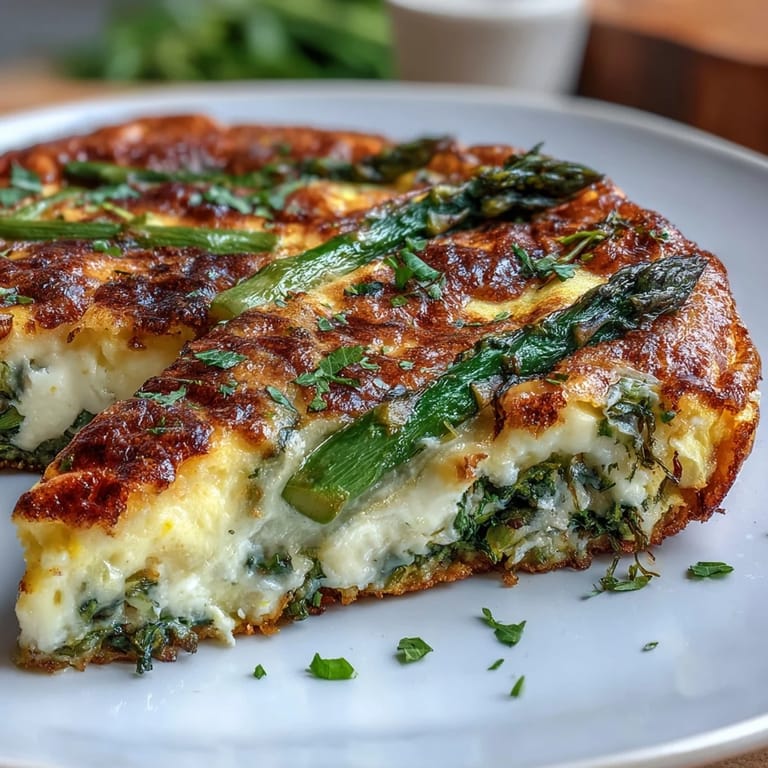
 There's something quietly wonderful about a frittata that has nothing to prove—it sits there warm and unpretentious, asking nothing of you except to eat it. I've brought this to tables where people were tired, busy, or just hungry for something that tasted like springtime, and it's never let me down.
Why This Works as a Frittata
The genius of a frittata is that it's essentially scrambled eggs' elegant older sibling—you get the same comforting egg base, but instead of stirring it into a cloud, you let it cook undisturbed so the vegetables and cheese can settle into their own little pockets. The goat cheese is the secret weapon here because it doesn't try to melt into a gooey blanket; instead, it crumbles and creates little islands of tanginess that break up the richness of the eggs. This combination means every forkful is slightly different, depending on what vegetables and cheese you hit.
Variations and Seasons
Spring asparagus and baby vegetables are what drew me to this recipe, but I've made it through summer with zucchini blossoms and young peas, in early fall with roasted red peppers and eggplant, and even in winter when I've relied on frozen spinach and stored root vegetables that I've roasted first. The framework stays the same—tender vegetables, fluffy eggs, a creamy cheese—but the personality shifts with what your market offers. I've learned that vegetables that release water, like mushrooms or tomatoes, need to be cooked separately or patted dry, otherwise they'll turn your frittata watery and your bottom mushy.
Serving and Storage
This frittata is equally at home warm from the oven at brunch, at room temperature for lunch, or even cold from the fridge the next morning when you need something substantial. It keeps beautifully covered in the fridge for three days, which means you could make it on a Sunday evening and have breakfast sorted for the next few mornings without any effort. I usually pair it with a simple green salad dressed in lemon vinaigrette, some crusty bread for soaking up the goat cheese, and honestly just black coffee, because the frittata speaks for itself.
- Slice and reheat gently in a 300°F oven for about 8 minutes if you want it warm again, or eat it straight from the fridge—both are wonderful.
- You can prepare the vegetables the night before and store them in separate containers, then assemble and cook the next morning if you're planning ahead.
- If you're feeding someone avoiding dairy, simply omit the cheeses and use a plant-based milk, and the frittata will still taste beautiful, just slightly less rich.
 Pin It
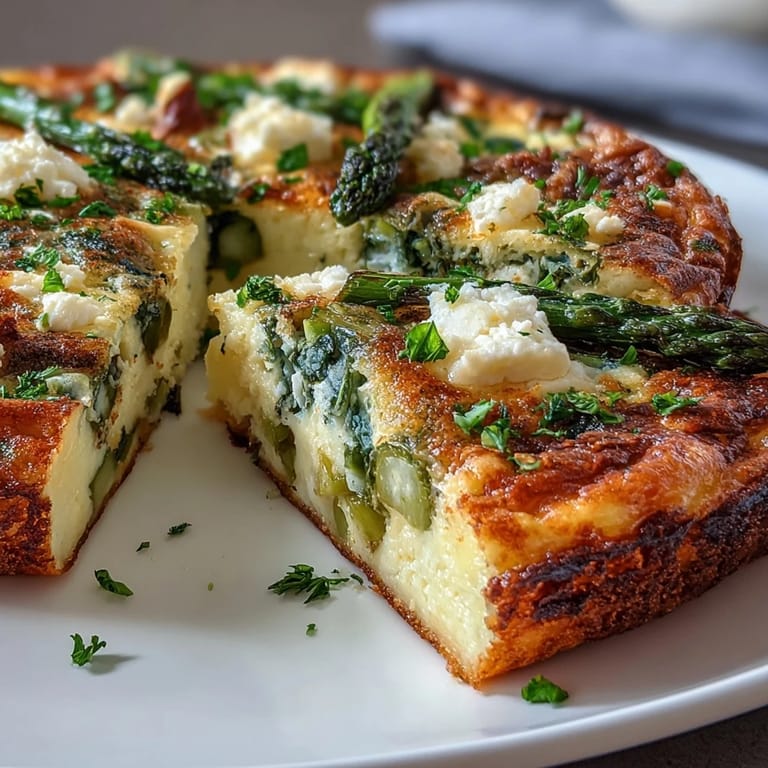
 This frittata has become one of those recipes I turn to when I want to cook something that feels generous without being complicated. It's proof that springtime, fresh vegetables, and a willingness to let eggs do their quiet work together can create something that lingers in people's memories.
Recipe FAQs
- → What vegetables work best in this dish?
Asparagus, zucchini, spinach, cherry tomatoes, and green onions provide a fresh spring mix. You can swap in peas or artichokes to suit seasonal availability.
- → How should I cook the vegetables before baking?
Lightly sauté asparagus and zucchini until tender, then add spinach, tomatoes, and green onions, cooking just until spinach wilts to maintain freshness.
- → Can I use different cheeses?
Goat cheese offers a creamy tang, while Parmesan adds savory depth, but you can substitute with similar soft or aged cheeses depending on preference.
- → What is the best way to tell when it’s done?
The edges will start to set during stovetop cooking, and the center should be puffed and completely set after baking, without wobbling.
- → Are there any tips for serving?
Allow to cool slightly before slicing. Serve alongside a fresh green salad or crusty bread for a complete meal.