 Pin It
 My grandmother used to make this ricotta pie every Easter, and the kitchen would fill with the most incredible smell of lemon and butter. She'd hum while pressing the dough into the pan, her hands moving with this practiced ease that made it look simple. Years later, I finally asked for her recipe, and she laughed because she'd been waiting for me to notice it wasn't just a dessert—it was how she said spring had arrived. The creamy filling with its bright citrus notes became my favorite thing to look forward to each year, and now whenever I make it, I understand why she loved sharing it so much.
I brought this pie to an Easter brunch once, nervous because it was my first time making it without calling my grandmother for reassurance. A friend took one bite and went completely quiet, then looked up with this expression that made the whole project feel worth it. She asked for the recipe that day, and now it's become her tradition too—that moment taught me how food moves through people and becomes part of their own stories.
Ingredients
- All-purpose flour (2 cups): The foundation of your crust, and cold hands matter more than technique here.
- Granulated sugar (1/2 cup for pastry, 3/4 cup for filling): Use regular sugar, not superfine, so the pastry has the right texture and the filling stays silky.
- Unsalted butter, cold and cubed (1/2 cup): This is non-negotiable—warm butter makes tough pastry, so chill it beforehand and work quickly.
- Large eggs (1 whole egg plus 1 yolk for pastry, 3 for filling): Room temperature eggs incorporate more smoothly into the filling.
- Whole milk ricotta cheese, well drained (2 cups): This is where the magic lives—buy the best ricotta you can find and drain it in a fine sieve for at least an hour to remove excess moisture.
- Fresh lemon zest (from 2 lemons): Use a microplane and go right to the moment before the bitter white pith; this ingredient defines the entire pie.
- Lemon juice (1 tablespoon): Adds brightness that balances the richness without making it sour.
- Vanilla extract (1 teaspoon each): The secret whisper that rounds out all the flavors.
- Heavy cream (1/4 cup): Creates that cloud-like texture in the filling that makes people ask for seconds.
- Powdered sugar for dusting: A light shower at the end transforms it into something that feels like a celebration.
Tired of Takeout? 🥡
Get 10 meals you can make faster than delivery arrives. Seriously.
One email. No spam. Unsubscribe anytime.
Instructions
- Build Your Pastry Base:
- In a bowl, whisk together flour, sugar, and salt, then add your cold butter cubes and rub them between your fingertips until the mixture looks like coarse breadcrumbs with some pea-sized bits still visible. This is where the flakiness comes from, so don't overmix or use warm hands.
- Bring It Together:
- Mix in the egg, egg yolk, and vanilla, then add cold water one tablespoon at a time, stirring gently until the dough just starts to hold together without being wet. You want it to feel slightly shaggy, not a smooth ball.
- Let It Rest:
- Press the dough into a disk, wrap it tightly in plastic, and chill for at least 30 minutes—this resting time is what gives you that tender crust.
- Prepare Your Pan:
- Preheat your oven to 350°F and grease a 9-inch pie or tart pan with a bit of butter or oil.
- Roll and Fit:
- On a lightly floured surface, roll the dough to about 1/8-inch thickness and gently press it into the pan, letting it climb the sides naturally. Trim any excess that hangs over and use a fork to prick the bottom all over, then chill for 10 more minutes so it doesn't shrink.
- Create the Filling:
- In a large bowl, whisk your drained ricotta with sugar until smooth, then add eggs one at a time, whisking after each addition so it stays creamy and integrated. Fold in the vanilla, lemon zest, lemon juice, flour, salt, and heavy cream until everything is combined and silky.
- Fill and Bake:
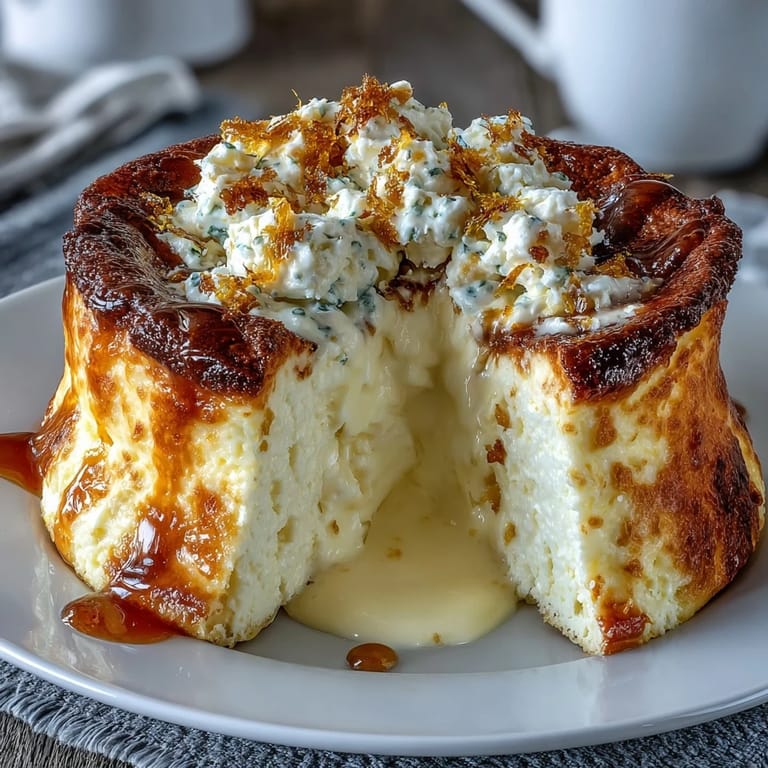
- Pour the filling into your pastry shell and smooth the top with a spatula, then slide it into the oven for 55 to 60 minutes until the edges are set but the very center still has a gentle wobble. The top should be pale golden and the smell will fill your kitchen with something unforgettable.
- Cool with Patience:
- Let it cool completely on a wire rack at room temperature, which takes about an hour, then refrigerate for at least 2 hours so the flavors meld and the texture firms up.
- Finish with Elegance:
- Just before serving, dust the top generously with powdered sugar, which catches the light and makes every slice look like it belongs in a pastry shop.
 Pin It
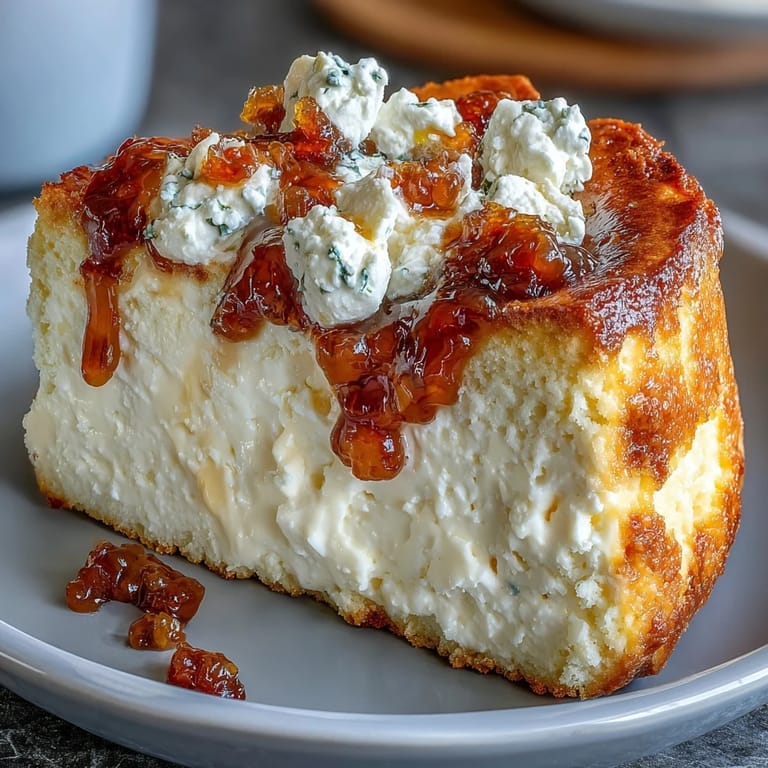
 There's a moment right when you pull this pie from the oven where you can smell the lemon and butter and sweetness all at once, and that's when you know you've done something right. That aroma is a promise—to everyone who's going to taste it and to yourself that you took the time to make something that matters.
Why Lemon Matters in This Dessert
Lemon zest is not just a flavor here—it's the entire personality of the pie. The oils in the zest release brightness that cuts through the richness of the ricotta and cream, creating this perfect balance where no single flavor overwhelms. I learned this the hard way by once making a version without enough zest, and it tasted flat despite being technically perfect, which taught me that some recipes are only as good as their most delicate ingredient.
The Pastry: Tender, Not Tough
The crust is where most people second-guess themselves, but it's actually forgiving if you remember one thing: cold everything, quick hands, and minimal mixing. The moment you start overworking the dough trying to make it perfect, it hardens and becomes tough because the flour develops gluten. I've made this crust in summer and winter, in different kitchens, and it works every time when you trust that slight shaggy texture is exactly what you want.
Making It Your Own
This pie invites gentle experimentation without demanding it, which is one reason I keep coming back to it. You can add orange zest alongside the lemon for a more complex citrus note, scatter fresh berries on top for color and tartness, or even brush the baked crust with a whisper of honey. The structure stays strong enough to hold your variations while keeping its own identity intact.
- A pinch of cardamom in the filling adds an unexpected warmth that whispers rather than shouts.
- Fresh mint leaves scattered over the powdered sugar at serving time bring a final note of spring.
- If you need it gluten-free, swap the flour one-to-one in both the crust and filling, and the result is nearly identical.
 Pin It
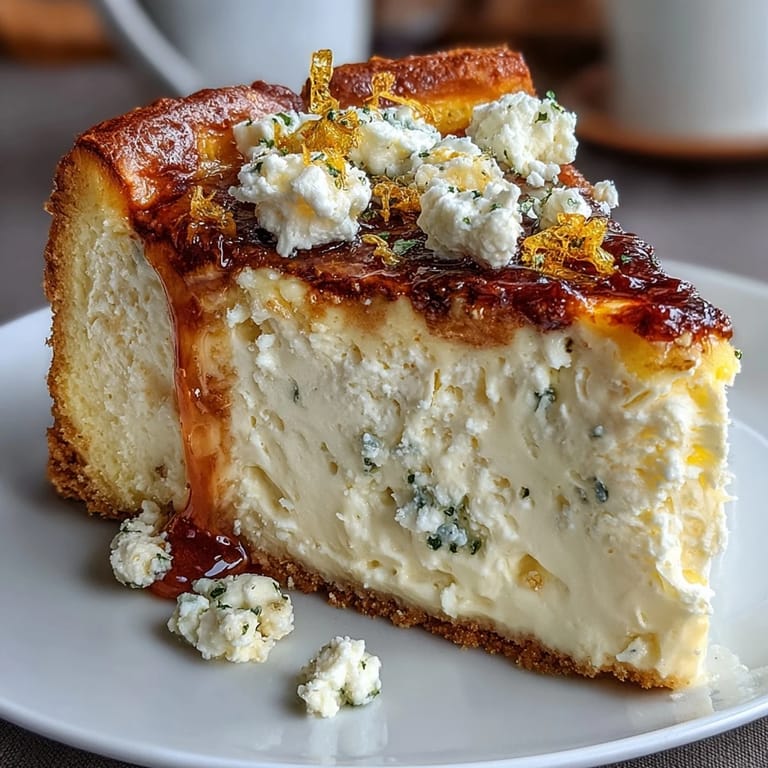
 This pie has a way of becoming someone's favorite memory of a spring afternoon, and that's the whole reason to make it. Dust it with powdered sugar, slice it with a warm knife, and watch how it brings people together.
Recipe FAQs
- → What texture should the ricotta filling have?
The filling should be smooth and creamy with a slight wobble in the center when properly baked, indicating it's perfectly set but not dry.
- → How does lemon zest affect the flavor?
Lemon zest adds a fresh, bright citrus aroma and taste, balancing the sweetness and enriching the creamy ricotta filling.
- → Can I use a gluten-free flour for the crust?
Yes, a gluten-free flour substitute can replace the all-purpose flour in the pastry to accommodate dietary needs without compromising texture.
- → Why is the dough chilled before baking?
Chilling the dough helps relax gluten and solidify butter, resulting in a flakier, tender crust after baking.
- → What’s the best way to serve this dessert?
After chilling, slice the pie and dust with powdered sugar. It pairs nicely with fresh berries for an added festive touch.
- → Is this suitable for a vegetarian diet?
Yes, the ingredients used are vegetarian-friendly, containing no meat or animal-derived rennet.