 Pin It
 My mum always said the best gifts weren't wrapped in fancy paper—they were the ones that filled the kitchen with warmth and lemon-bright happiness. This cake emerged from years of watching her light up when something citrusy and delicate arrived at her table, those tiny edible flowers catching the afternoon light like she'd arranged them herself. The first time I made it alone, the zest clung to my fingertips for hours, a gentle reminder that some things leave their mark in the loveliest ways. It's become my Mother's Day ritual now, less about following rules and more about pouring intention into every fold of flour and drizzle of glaze.
Last spring, I made this for a friend recovering from surgery, and she texted me later saying she'd sat on her porch with a slice and actually smiled for the first time in days. The tartness woke something up in her, and the delicate flowers made her feel seen in a way generic store-bought treats never could. That's when I realized this cake speaks a language all its own—it says I know you, I thought of you, I wanted to make something beautiful just for you.
Ingredients
- Unsalted butter (225g), softened: This is your foundation, and softening it properly means creaming becomes effortless—room temperature really does change everything, so leave it out while you gather other ingredients.
- Caster sugar (225g): The fine crystals dissolve into the butter more readily than granulated, creating that signature pale, fluffy base.
- Large eggs (4): Room temperature eggs blend seamlessly into the batter, preventing lumps and ensuring even crumb structure.
- Self-raising flour (225g): This already contains leavening agents, so you're not fighting against yourself—just fold gently and walk away.
- Lemon zest (from 2 unwaxed lemons): Unwaxed matters here because you're using the skin; those tiny zest pieces hold concentrated flavor that transforms the entire cake.
- Whole milk (2 tbsp): Just enough to loosen the batter slightly and keep everything tender without making it wet or heavy.
- Salt (pinch): It whispers beneath the lemon, balancing sweetness and deepening flavor in ways you won't consciously notice but absolutely will feel.
- Lemon juice (from 2 lemons) and icing sugar (125g) for the drizzle: This combination creates that glossy, tangy finish that soaks into warm cake and sets as it cools.
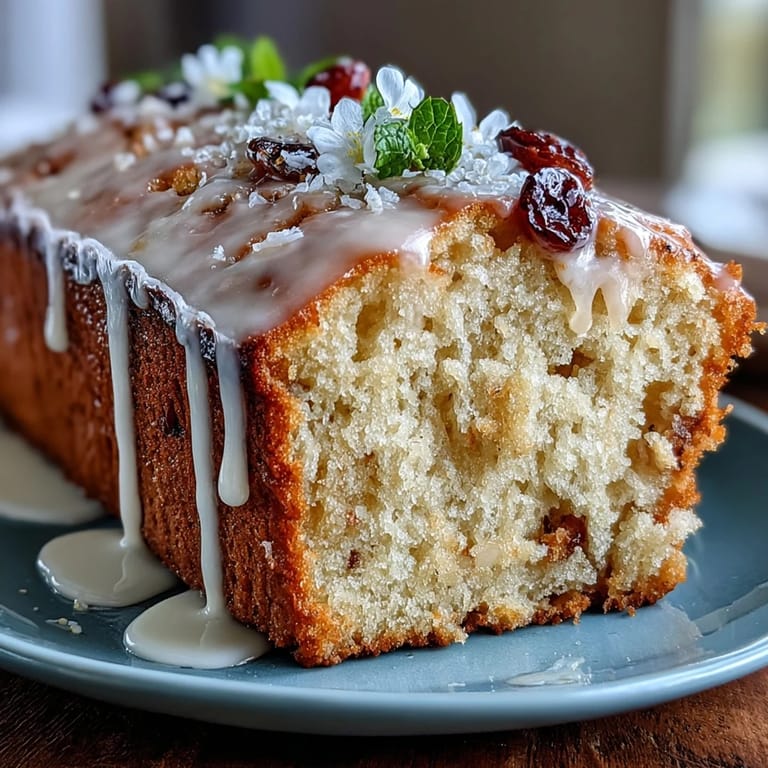
- Edible flowers (assorted): Purchase from reputable sources or grow your own—violas, pansies, and nasturtiums add color and elegance without any flavor interference.
Tired of Takeout? 🥡
Get 10 meals you can make faster than delivery arrives. Seriously.
One email. No spam. Unsubscribe anytime.
Instructions
- Prepare your workspace and oven:
- Preheat to 180°C (160°C fan) / 350°F while you grease and line your 900g loaf tin with parchment paper—this prevents sticking and makes lifting out effortless. Getting this done first means you're never rushing once you've started mixing.
- Cream butter and sugar until pale:
- In a large mixing bowl, beat them together for 3-4 minutes until the mixture looks light, fluffy, and almost mousse-like. You'll hear the texture change as air incorporates—that's exactly what you want.
- Introduce eggs gradually:
- Add them one at a time, beating well after each addition so the mixture stays emulsified and smooth. If it looks slightly curdled, add a spoonful of flour and it'll come back together immediately.
- Fold in dry ingredients gently:
- Combine the self-raising flour, lemon zest, milk, and salt, then fold everything together with a spatula using as few strokes as possible—overmixing develops gluten and toughens the cake. Stop as soon as you don't see streaks of flour.
- Transfer to tin and bake:
- Pour the batter into your prepared tin, smooth the top with a spatula, and bake for 40-45 minutes until a skewer inserted into the center comes out clean or with just a crumb or two. The kitchen will smell absolutely incredible near the end.
- Prepare the drizzle while cake bakes:
- In a small bowl, whisk together lemon juice and icing sugar until it reaches a pourable consistency—thinner than frosting but thicker than juice. Taste it; it should be bright and unapologetic about its tartness.
- Poke and pour while warm:
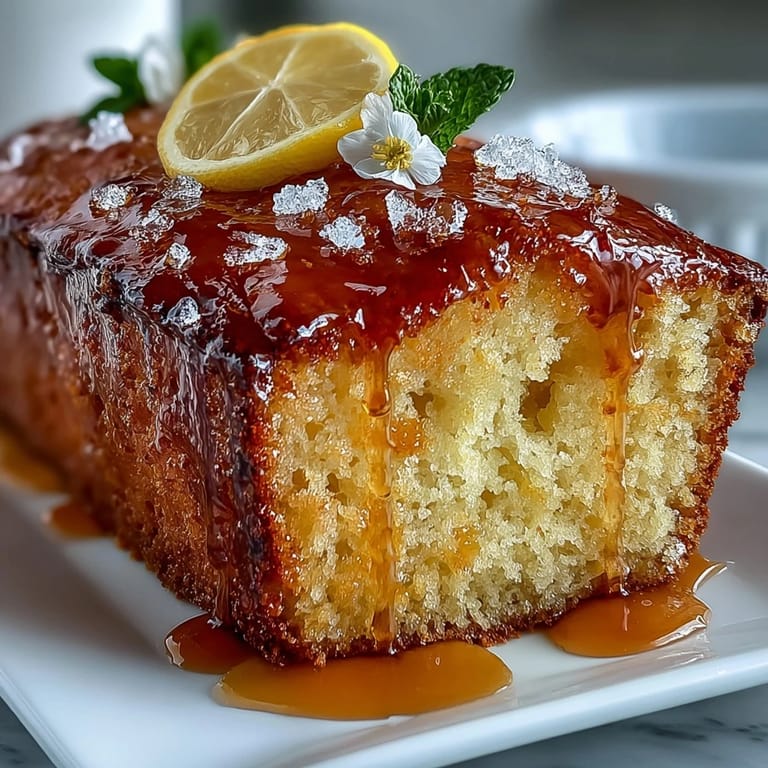
- Once baked, leave the cake in the tin and use a skewer to poke holes all across the top—about 20-30 tiny holes give the drizzle plenty of pathways to soak through. Slowly pour the glaze over the warm cake and watch it disappear into those holes, creating pockets of intense lemon flavor throughout.
- Cool completely:
- Let the cake rest in the tin until it's completely cool, which allows the crumb to set and the drizzle to harden into that signature glossy finish. Patience here really matters.
- Decorate just before serving:
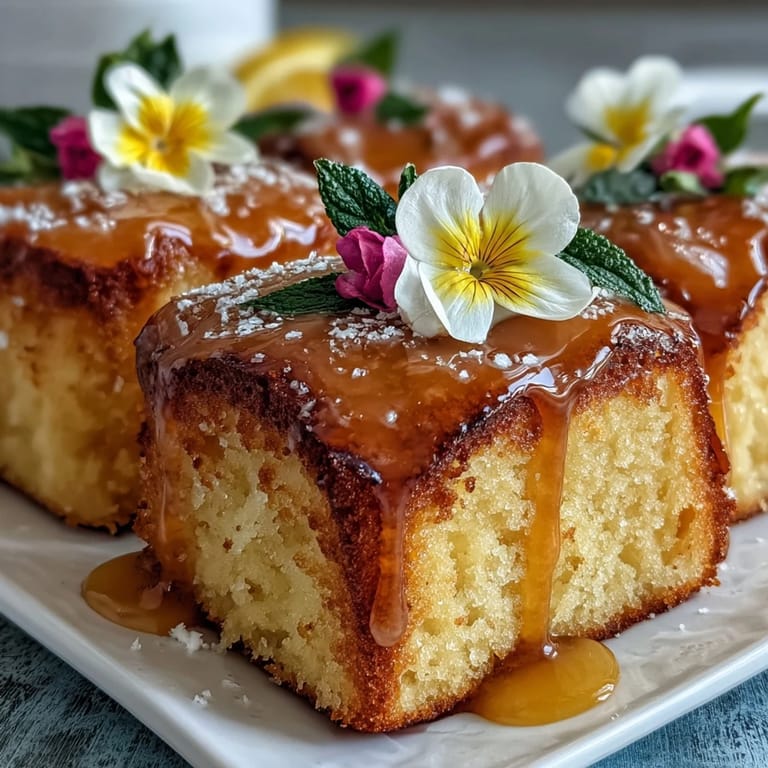
- Remove the cake from the tin, transfer to a serving platter, dust lightly with icing sugar if you like, and arrange edible flowers across the top just before presenting. This keeps the flowers looking fresh and vibrant rather than wilted.
 Pin It
 My neighbor once asked why I'd choose lemon cake over chocolate for such an important occasion, and I realized she'd never experienced that moment when someone bites into something bright and alive, when their whole face changes because they weren't expecting something that good. That's what this cake does—it surprises people with joy.
The Magic of Edible Flowers
I used to think edible flowers were purely decorative, a fancy touch with no real purpose until a baker friend explained that their presence actually signals care and intention to whoever's eating. They're not afterthoughts; they're promises that someone thought about making something special. Choose varieties that smell subtle or neutral—violas have a faint floral note, pansies offer visual impact without flavor, and nasturtiums add a peppery surprise if you want complexity. Always source from reputable suppliers or grow them yourself, and apply them just before serving so they stay crisp and dewy rather than drying out on the warm cake surface.
Why Lemon Works for Every Moment
There's something about lemon that transcends seasons and moods—it's celebratory without being heavy, nostalgic without being dated, and bright enough to lift spirits on gray days. In British baking tradition, this cake represents understated elegance, the kind of refinement that doesn't announce itself loudly but earns respect through quiet excellence. The tartness also makes it less cloying than sweeter cakes, which means people eat it with genuine pleasure rather than needing to finish out of politeness.
Serving and Storage Wisdom
This cake actually improves slightly after a day, as the flavors meld and the glaze fully hardens into a candied exterior while the inside stays tender. Wrap it loosely in parchment paper (not plastic, which traps steam) and keep it at room temperature for up to three days. Serve it with whipped cream, crème fraîche, or even a simple cup of tea, because lemon cake doesn't demand embellishment—it thrives in quiet company.
- If you want extra zing, add a touch of finely grated lemon zest directly to the drizzle for an even sharper finish.
- For gluten-free celebrations, swap the self-raising flour for a gluten-free blend plus 1 tsp baking powder, whisking them together before folding in.
- Edible flowers are best applied when the icing sugar dust has settled and the cake has cooled completely, preserving their delicate appearance.
 Pin It
 Making this cake has become my way of saying I see you, I remember you matter, without needing words. That's the real magic happening here.
Recipe FAQs
- → How do I make the lemon drizzle?
Combine fresh lemon juice with icing sugar until smooth. Pour slowly over the warm cake to allow absorption and create a tangy glaze.
- → Can I use other flowers for decoration?
Yes, ensure the flowers are edible and pesticide-free, such as violas, pansies, nasturtiums, or rose petals.
- → How do I check if the cake is baked through?
Insert a skewer into the center; it should come out clean without wet batter.
- → Can I make this gluten-free?
Substitute self-raising flour with a gluten-free alternative and add 1 tsp baking powder for best results.
- → How should I store leftovers?
Keep the cake in an airtight container at room temperature for up to 3 days to maintain freshness.
- → What can I serve alongside this lemon drizzle?
Whipped cream or a dollop of crème fraîche pairs beautifully, adding a creamy contrast.