 Pin It
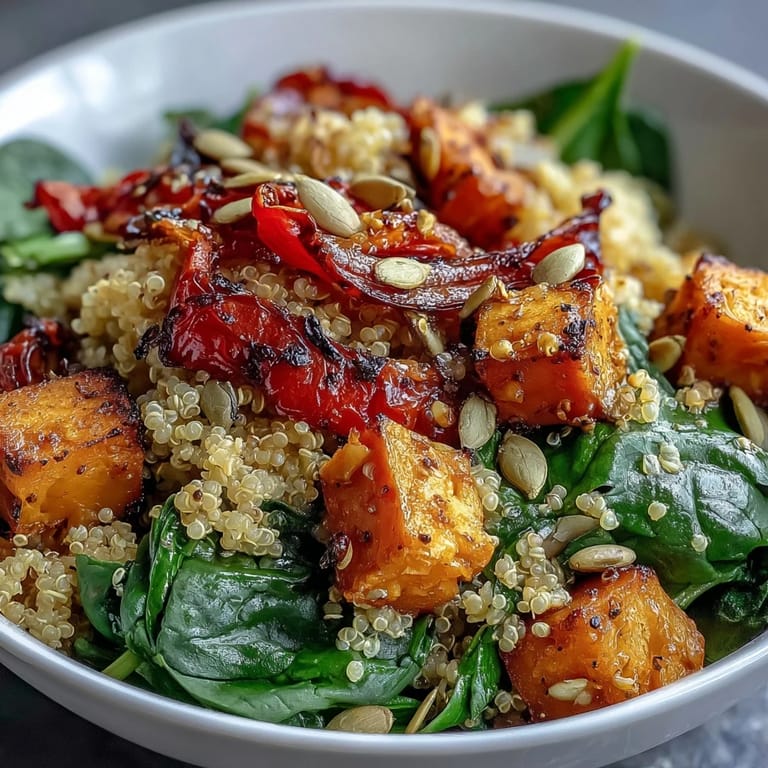
 There's something almost meditative about assembling a warm salad bowl on a chilly afternoon when you can't decide between a hearty meal and something light. I discovered this particular combination while standing in my kitchen on a Wednesday, staring at a half-empty vegetable drawer and wondering if I could make something feel both comforting and fresh at the same time. The answer came together in layers, each one warm and intentional, and it's become the kind of meal I return to when I need to feel both nourished and calm.
I made this for my roommate on a day when she came home exhausted from back-to-back meetings, and watching her expression shift from tired to genuinely pleased as she took the first bite reminded me why I love cooking. It wasn't fancy or complicated, but it felt like I'd done something kind without making a big production of it.
Ingredients
- Quinoa or brown rice, 1 cup rinsed: These grains provide a sturdy foundation and cook at slightly different rates, so know your grain before you start.
- Water or vegetable broth, 2 cups: Broth adds flavor that plain water can't match, though both work perfectly well.
- Sweet potato, 1 medium peeled and cubed: The natural sweetness balances the vinaigrette beautifully and adds a creamy texture when roasted until the edges catch some color.
- Red bell pepper, 1 cut into strips: Cut them thicker than you think you should so they stay slightly crisp even after roasting.
- Red onion, 1 small sliced: The sharpness mellows as it roasts, becoming almost caramelized at the edges.
- Zucchini, 1 small sliced: Thin slices mean they soften quickly, so don't ignore them while they're roasting.
- Olive oil, 2 tablespoons for roasting: Don't skimp here; it helps everything develop those golden, slightly crispy edges.
- Smoked paprika, 1 teaspoon: This is the secret weapon that makes simple roasted vegetables taste intentional and complex.
- Salt and pepper, to taste: Taste as you go and don't be shy; vegetables need more seasoning than you'd expect.
- Baby spinach or kale, 4 cups with stems removed: Kale holds up better to the warm vinaigrette, but spinach wilts more dramatically and looks beautiful.
- Olive oil for vinaigrette, 3 tablespoons: Use something you actually enjoy tasting because this is where it shines.
- Apple cider vinegar, 1 tablespoon: The acidity cuts through richness and keeps everything feeling fresh and alive.
- Dijon mustard, 1 teaspoon: This emulsifies the dressing and adds a subtle warmth without being aggressive.
- Honey or maple syrup, 1 teaspoon: A touch of sweetness rounds out the acidity and creates balance.
- Garlic clove, 1 small minced: Warming the garlic in oil mellows its bite and makes it blend seamlessly with everything else.
- Crumbled feta or goat cheese, 1/4 cup optional: The tanginess echoes the vinaigrette and adds a creamy textural contrast.
- Toasted pumpkin or sunflower seeds, 2 tablespoons: Toasting them yourself makes all the difference, even if store-bought saves time.
- Fresh herbs like parsley or cilantro, chopped: Add these at the very end so their brightness doesn't disappear into the warmth.
Tired of Takeout? 🥡
Get 10 meals you can make faster than delivery arrives. Seriously.
One email. No spam. Unsubscribe anytime.
Instructions
- Heat your oven and prepare the stage:
- Set the oven to 425°F and line a baking sheet with parchment paper so your vegetables can move around freely as they roast without sticking. This small step makes cleanup easier and prevents uneven cooking.
- Season and roast the vegetables:
- Toss your cubed sweet potato, pepper strips, onion, and zucchini with olive oil and smoked paprika, then spread them in a single layer on the sheet. Roast for 25 to 30 minutes, stirring halfway through so they develop color on multiple sides and soften into tenderness.
- Cook your grains while vegetables roast:
- Combine your quinoa or rice with water or broth in a saucepan, bring it to a boil, then cover and reduce heat to low. Let it simmer for 15 to 20 minutes depending on what grain you chose, until the liquid disappears and the grains are tender enough to fluff with a fork.
- Warm the vinaigrette gently:
- In a small pan over low heat, whisk together your oil, vinegar, mustard, honey, and minced garlic, warming it just enough that you can feel the heat rising from the pan, about 1 to 2 minutes. Don't let it simmer or bubble or the flavors will become harsh.
- Wilt the greens with intention:
- Pour about half the warm vinaigrette over your spinach or kale in a large bowl and toss gently, watching as the greens soften and darken slightly from the warmth. This takes only a minute or two, so stay present and stop before they lose their color completely.
- Assemble your bowl with purpose:
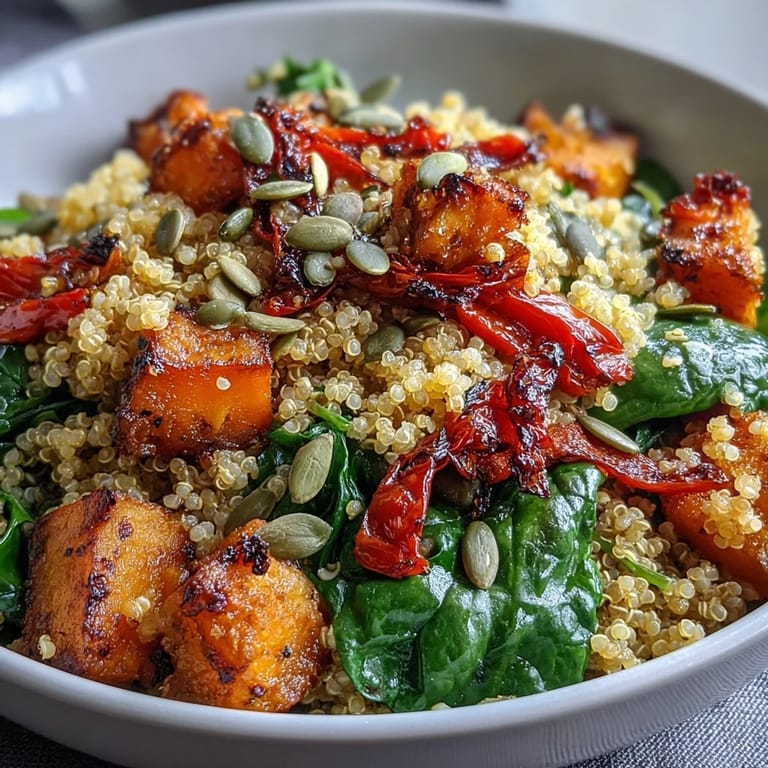
- Divide the cooked grains among four bowls as your base, then layer on the wilted greens, roasted vegetables, and any toppings you've chosen. Drizzle with the remaining vinaigrette and serve right away while everything is still warm and the steam rises from the bowl.
 Pin It
 I've learned that this bowl works best when you don't overthink it, when you let the warm vinaigrette do its work on the greens without being precious about it. There's something grounding about eating from a bowl where every element is still warm, where the flavors mingle as you eat instead of sitting separately on a plate.
Why the Layers Matter
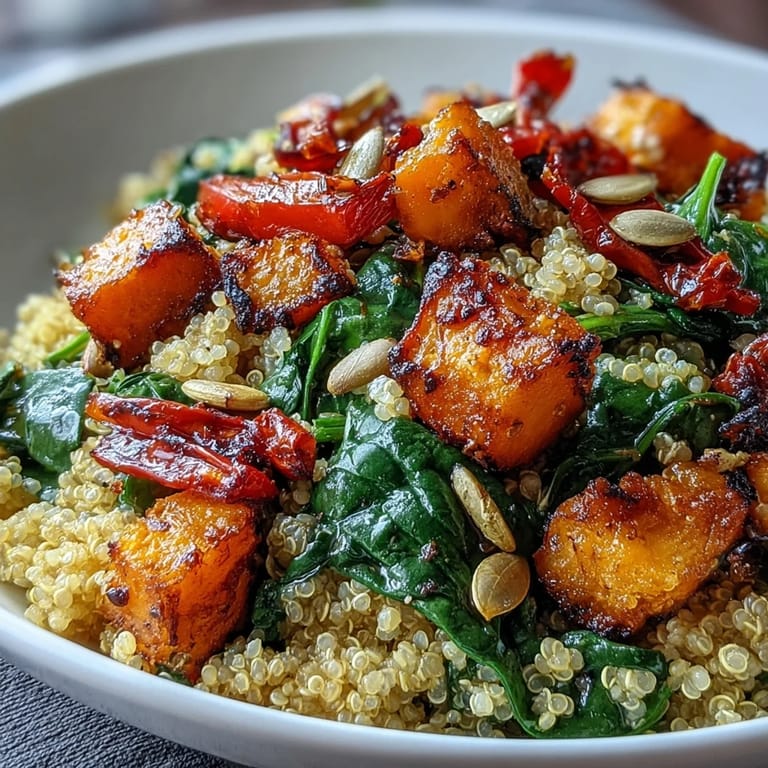
Building this bowl in layers isn't just about presentation, though it looks beautiful when you do it that way. Each layer keeps its own identity while being influenced by what's underneath, and when you mix it together, you get little pockets of different textures and temperatures that make every spoonful interesting. The grains anchor everything and soak up the vinaigrette, the warm greens become almost silky, and the roasted vegetables stay firm enough to give you something to bite into.
Variations That Keep It Fresh
Once you understand the structure of this bowl, you can bend it in any direction your kitchen allows. I've made it with farro instead of quinoa on nights when I wanted something with more texture, and I've added roasted chickpeas when I needed the protein to make it more filling. The beauty is in the flexibility, in understanding that this is a template rather than a rigid instruction.
Making It Your Own
The vinaigrette is where you can really make this bowl speak to your taste, so don't be afraid to adjust the ratios based on how much acid or sweetness you're craving. If you love garlic more than I do, add an extra clove; if you prefer your dressing less tangy, use a little less vinegar and a bit more oil. Every time you make this, you're learning something about your own palate.
- Toast your seeds in a dry pan for two minutes to bring out their nutty flavor before sprinkling them on top.
- If you're cooking for someone with dietary restrictions, this bowl is incredibly adaptable to dairy-free, vegan, or gluten-free needs.
- Serve this immediately while everything is warm, which is part of what makes it so satisfying to eat.
 Pin It
 This warm salad bowl has become my answer to those moments when I want something that feels both nourishing and comforting without requiring elaborate technique. It's the kind of meal that reminds you that simple doesn't mean boring.
Recipe FAQs
- → Can I make this ahead of time?
Yes! Prepare grains and roasted vegetables up to 3 days ahead. Store separately and reheat gently before assembling with fresh vinaigrette.
- → What other grains work well?
Farro, millet, bulgur, or barley make excellent substitutions. Adjust cooking time according to package directions.
- → How do I add more protein?
Include roasted chickpeas, hard-boiled eggs, grilled chicken, or tofu. Edamame or white beans also work beautifully.
- → Can I use different vegetables?
Absolutely! Try butternut squash, Brussels sprouts, carrots, or parsnips. Adjust roasting time as needed for denser vegetables.
- → Is the vinaigrette essential?
The warm dressing helps wilt the greens and ties everything together. If preferred, use room temperature vinaigrette or a drizzle of tahini.
- → Can this be served cold?
While designed as a warm dish, it also works as room temperature grain salad. Simply skip heating the vinaigrette and serve chilled.