 Pin It
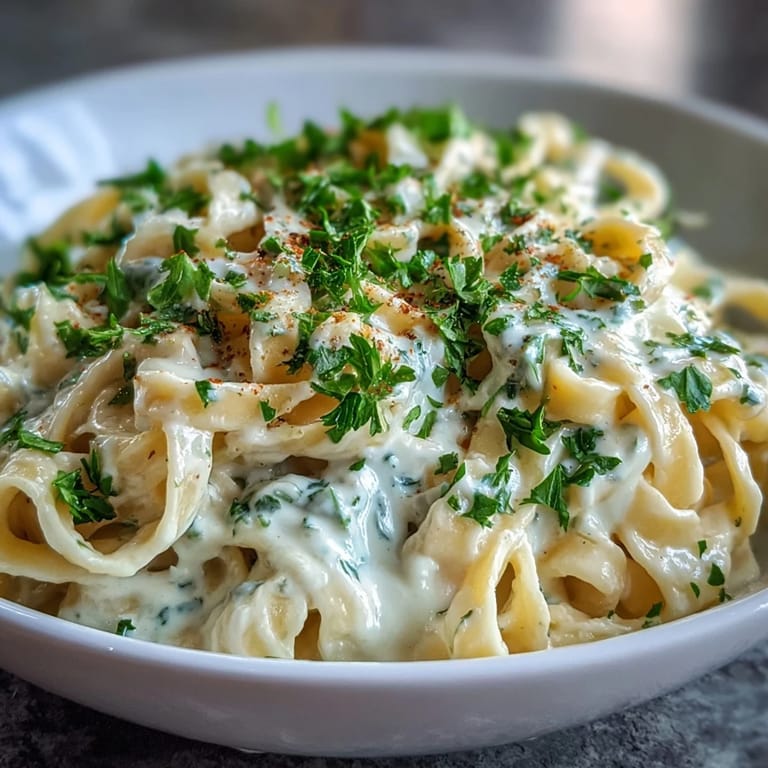
 Last Tuesday, I was standing in my kitchen feeling uninspired by the usual cream-laden pasta dishes, when my roommate wandered in asking if dinner would be heavy. That simple question sparked something—what if I could capture all that luxurious, silky Alfredo comfort without the guilt? I grabbed a head of cauliflower from the fridge and started blending, and within twenty minutes, I was tossing fettuccine in a sauce so velvety and rich that nobody would ever guess its secret ingredient. It's become the dish I turn to when I want to feel nourished rather than weighed down, and somehow it tastes even better than the original.
My neighbor stopped by one evening while I was finishing this dish, and the aroma of buttery Parmesan drew her straight to the kitchen. I had her taste it before revealing what was actually in the sauce, and watching her eyes widen when she realized it was mostly cauliflower felt like a small kitchen victory. She's made it three times since then, and I like to think that moment broke something open for both of us about what's possible when you're willing to experiment.
Ingredients
- Cauliflower florets: They become incredibly creamy when fully cooked and blended, creating the backbone of your sauce with a natural sweetness that deepens as they soften.
- Garlic and onion: Cook these right alongside the cauliflower so they surrender their sharp edges and transform into something sweet and mellow that flavors the entire sauce.
- Unsalted butter: Just two tablespoons is enough to add richness and help emulsify everything into silk, so don't skip it even though the amount seems modest.
- Parmesan cheese: Use freshly grated if you can—the flavor is more vibrant, and it melts more smoothly into the sauce than pre-grated versions.
- Milk: Choose whatever version you prefer; dairy milk creates the most traditional result, but unsweetened plant-based milk works beautifully too.
- Fettuccine or linguine: Their broad surface area catches and holds the sauce, so thin spaghetti won't give you quite the same satisfaction.
- Salt, pepper, and nutmeg: The nutmeg might seem optional, but a pinch adds a whisper of warmth that elevates the entire dish without announcing itself.
Tired of Takeout? 🥡
Get 10 meals you can make faster than delivery arrives. Seriously.
One email. No spam. Unsubscribe anytime.
Instructions
- Get the vegetables tender:
- Bring a large pot of salted water to a boil and add your cauliflower florets along with the garlic cloves and chopped onion. You'll know they're ready when a fork pierces the cauliflower with no resistance, usually around 8 to 10 minutes.
- Transfer to the blender:
- Use a slotted spoon to fish out the cooked vegetables, letting the water drain back into the pot—you'll need that cooking liquid later. Don't worry about getting every droplet.
- Blend into creaminess:
- Add the cooked vegetables to a blender along with butter, Parmesan cheese, milk, salt, pepper, and nutmeg if you're using it. Blend on medium-high speed until you reach that completely smooth, pourable consistency; if it seems thick, splash in a little of the reserved cooking water and blend again.
- Cook your pasta:
- In that same pot of cooking water, prepare your pasta according to the package directions until it's al dente with just a little bite to it. Before you drain it, scoop out a full cup of that starchy pasta water and set it aside—this liquid is your secret weapon for achieving the perfect sauce consistency.
- Bring it all together:
- Return the drained pasta to the pot and pour the cauliflower sauce over it, then toss everything together gently. Add pasta water a little at a time, stirring as you go, until the sauce clings to each strand and feels luxuriously silky.
- Taste and serve:
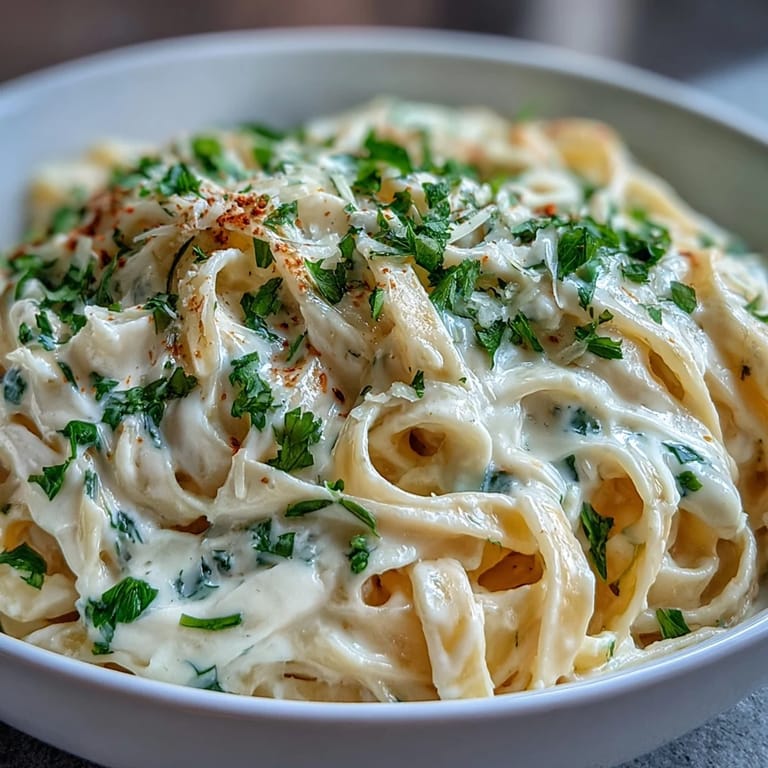
- Give it a final taste for salt and pepper, adjusting as needed, then plate it up hot and scatter fresh parsley and extra Parmesan over the top if you like.
 Pin It
 There's something moving about serving a plate of pasta to someone and watching them eat without guilt or hesitation, knowing that every forkful is nourishing them rather than making them feel sluggish afterward. That's what this dish does—it lets people enjoy comfort food without the complicated feelings that usually tag along.
When Cauliflower Becomes Elegant
I used to think of cauliflower as something to hide in curries or roast until it was crispy and didn't taste like much of anything. But blending it into a sauce taught me that this vegetable has a natural sweetness and creaminess that rivals actual dairy when treated properly. The key is cooking it until it's almost falling apart, because that's when it releases its starch and becomes something entirely different from its raw self.
Building Flavor Without Heaviness
What surprised me most about this sauce is how rich it feels despite being fundamentally light. The butter and Parmesan do their job beautifully, but the real magic is the cauliflower itself—it provides body and substance and that mouth-filling creaminess that makes you think you're eating something decadent. The nutmeg, if you use it, adds a subtle warmth that makes people pause and wonder what they're tasting without being able to put their finger on it.
Making It Your Own
Once you understand how this sauce works, you'll start seeing possibilities everywhere. Some nights I've stirred in sautéed mushrooms for earthiness, other times I've added steamed broccoli florets for extra green, and one memorable evening I tossed in some crispy sage leaves because I had them on hand. Each version felt different enough to be interesting but familiar enough to feel like the same beloved dish.
- Don't skip the reserved pasta water—it's the difference between a coating and a cling.
- If you prefer a thicker sauce, use less cooking water; for something pourable and loose, add more gradually while tasting.
- Fresh parsley and an extra shower of Parmesan at the end aren't optional touches; they're what make this feel finished and complete.
 Pin It
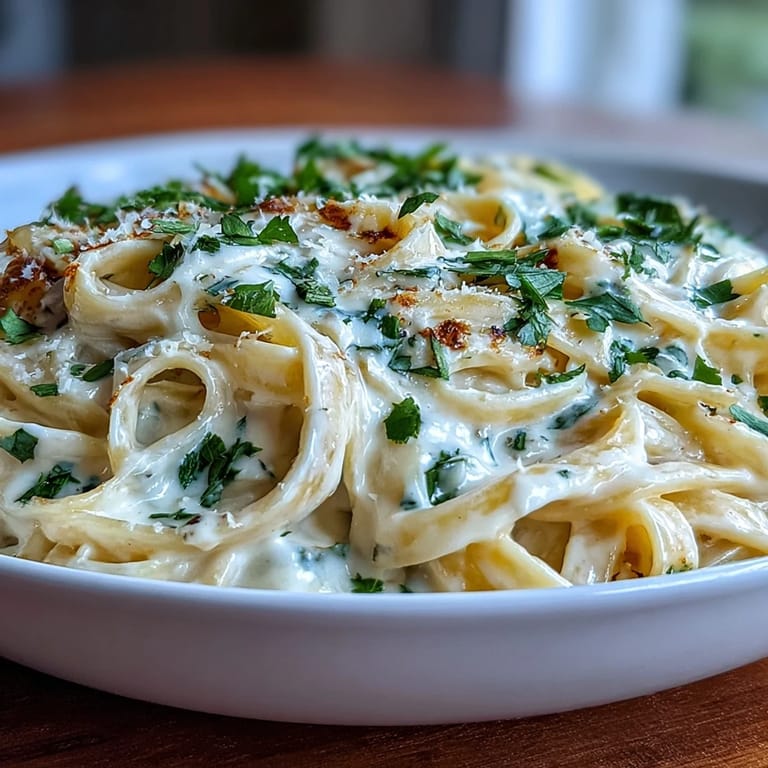
 Every time I make this, I'm reminded that the most satisfying meals don't have to be complicated or heavy. This one slips into your body like a warm embrace and leaves you feeling energized rather than sluggish, which is perhaps the truest comfort food can offer.
Recipe FAQs
- → Can I make this dairy-free?
Yes, simply substitute plant-based milk, vegan butter, and nutritional yeast instead of Parmesan cheese. The sauce remains creamy and delicious.
- → How long does the sauce keep in the refrigerator?
The sauce stores well for 3-4 days in an airtight container. Reheat gently with a splash of milk or water to restore creaminess before tossing with pasta.
- → Can I freeze the cauliflower Alfredo sauce?
Absolutely! Freeze the sauce in freezer-safe containers for up to 3 months. Thaw overnight in the refrigerator and reheat slowly, adding liquid as needed.
- → What pasta shapes work best with this sauce?
Fettuccine and linguine are classic choices, but the sauce also works beautifully with penne, rigatoni, or even spaghetti for capturing that velvety texture.
- → How can I add more protein to this dish?
Consider adding grilled chicken, shrimp, or white beans. You can also stir in ricotta cheese or increase the Parmesan for extra protein while keeping it vegetarian.
- → Why is my sauce not blending completely smooth?
Ensure cauliflower is cooked until very tender before blending. Adding warm pasta water helps achieve silky consistency. A high-speed blender works best for ultra-smooth results.