 Pin It
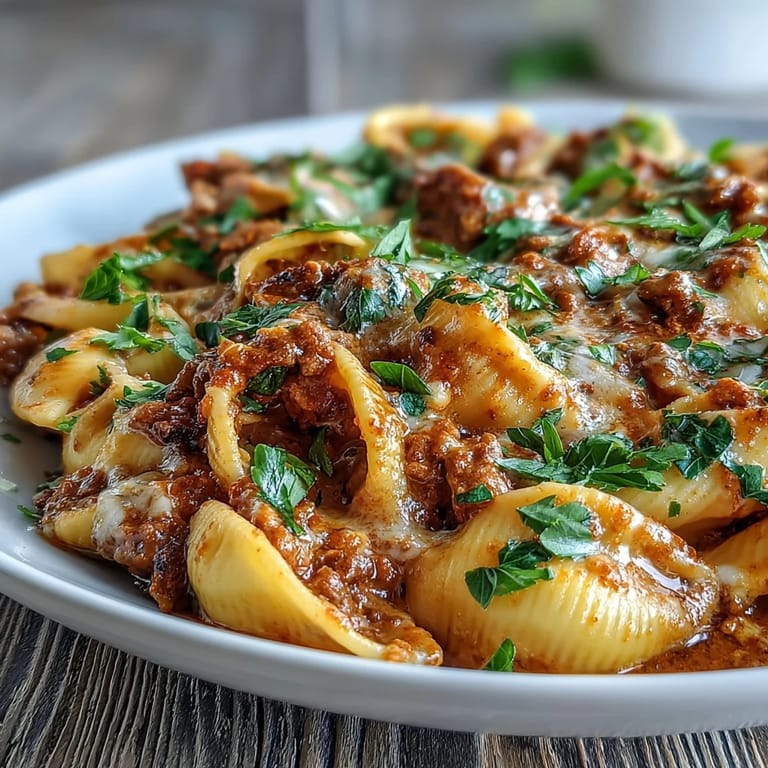
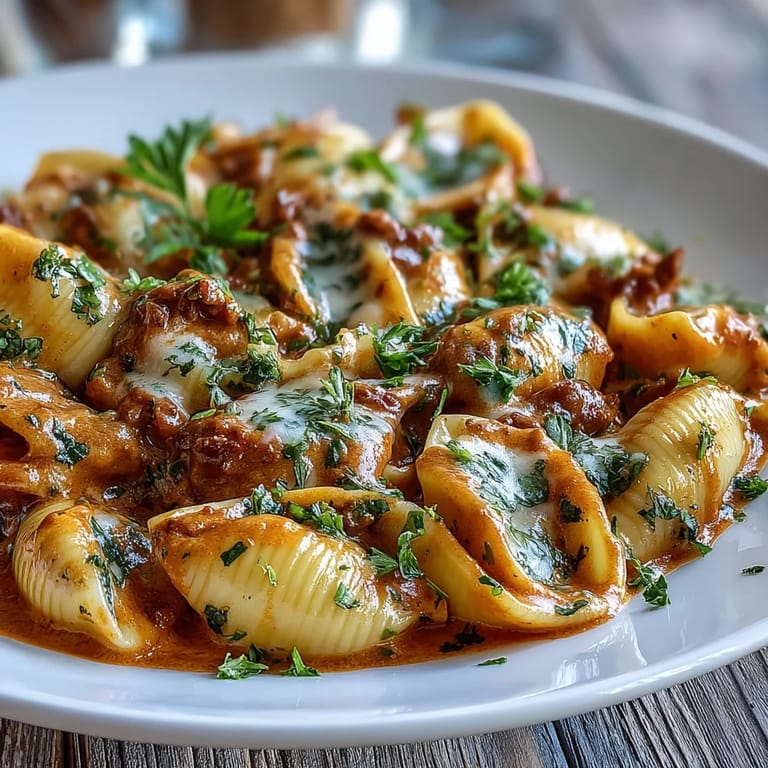
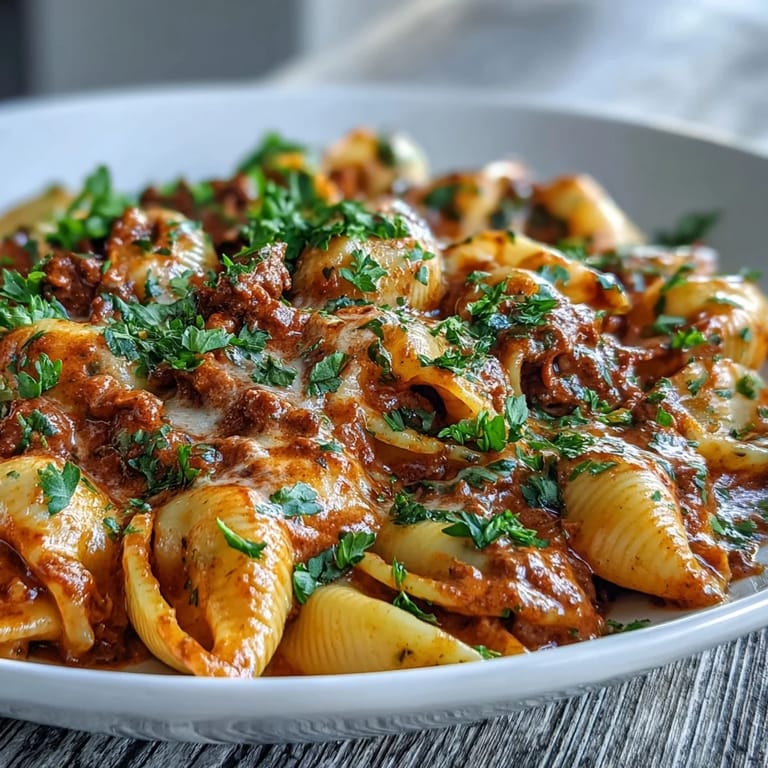
 There's something deeply satisfying about watching a single pot transform into dinner—no sink full of dishes waiting afterward, just pure comfort. I discovered this one-pot wonder on a Thursday night when I was too tired to think about cooking strategy, yet somehow needed to feed four hungry people with whatever I had on hand. The genius of it hit me when everything came together: the pasta absorbs all those savory flavors while cooking, and by the end, you've got this creamy, beefy masterpiece that tastes like it took hours but required maybe twenty-five minutes of actual attention.
My neighbor stopped by just as I was ladling this into bowls, and the aroma alone made her pause at the door. She ended up staying for dinner, and watching her face light up at that first spoonful—the way the creamy sauce clung to the shells, how the beef melted into every bite—made me realize this dish has a quiet magic to it. It wasn't fancy or complicated, but it felt like I'd done something right.
Ingredients
- Ground beef (1 lb, 80/20 blend): The ratio matters here; too lean and you lose that rich, beefy backbone the sauce needs, too fatty and you're skimming grease off the top.
- Yellow onion (1 small, finely chopped): This builds the flavor foundation—don't skip it or use jarred, the fresh bite makes all the difference.
- Garlic (2 cloves, minced): Add it after the onion softens so it perfumes the oil without burning and turning bitter.
- Pasta shells (8 oz, uncooked): Medium shells work best because they cradle the sauce; smaller shapes slip through, larger ones take too long to cook in the broth.
- Beef broth (2 cups): Use the good stuff if you can—it's the backbone of everything that follows.
- Crushed tomatoes (1 can, 14 oz): This adds acidity and body; it's what keeps the sauce from being one-dimensional.
- Heavy cream (1/2 cup): This is your luxe ingredient; it turns a tomato-beef situation into something you'd order at a restaurant.
- Whole milk (1/2 cup): Balances the heaviness of the cream without diluting the flavor too much.
- Cheddar cheese (1 cup, shredded): Mild cheddar melts smoothly; avoid the pre-shredded stuff if possible because it contains anti-caking agents that make it clumpy.
- Parmesan cheese (1/2 cup, grated): This brings sharpness and helps everything feel more complete, less like a casserole and more like comfort.
- Italian seasoning (1 tsp): This is your safety net—it keeps the flavor profile feeling intentional.
- Paprika (1/2 tsp): Adds warmth and a whisper of smokiness without heat.
- Salt and black pepper: Taste as you go; the broth and cheeses already contribute salt, so you might need less than you think.
- Red pepper flakes (1/4 tsp, optional): A tiny pinch wakes up the palate; use it if anyone at your table appreciates a gentle edge.
- Fresh parsley (2 tbsp, chopped): Sprinkle this at the end for color and a bright freshness that cuts through all that richness.
Tired of Takeout? 🥡
Get 10 meals you can make faster than delivery arrives. Seriously.
One email. No spam. Unsubscribe anytime.
Instructions
- Brown the beef:
- Heat your skillet over medium-high and let the ground beef sizzle—don't rush it, let it sit for a minute before breaking it up so it gets those flavorful browned bits. If there's a lot of fat pooling, drain some off, but leave a bit to cook with.
- Soften the aromatics:
- Once the beef is done, toss in the chopped onion and let it go until it's translucent and tender, about two to three minutes. Add the garlic last and stir constantly for just thirty seconds—you want its fragrance, not burned garlic bitterness.
- Add the pasta and broth:
- Combine everything:
- Pour in the broth, crushed tomatoes, and all your seasonings, then add those uncooked pasta shells. Stir everything so the pasta gets submerged in the liquid and nothing's sticking to the bottom.
- Simmer until tender:
- Bring it to a gentle boil, then lower the heat and cover it. Let it bubble softly for twelve to fourteen minutes, stirring now and then, until the pasta is tender and the liquid has mostly soaked in. The pasta will finish cooking from residual heat, so don't overcook it.
- Make it creamy:
- Pour in the heavy cream and milk, and let everything simmer uncovered for a couple of minutes to thicken slightly. You're looking for a sauce that coats the back of a spoon but still flows.
- Finish with cheese:
- Reduce the heat to low and stir in both cheeses until they're completely melted and the sauce turns silky. Taste it now and adjust the salt and pepper if needed.
- Plate and garnish:
- Transfer to bowls or plates, top with fresh parsley and red pepper flakes if you're using them, and serve while everything's still steaming.
 Pin It
 I made this dish again last winter during a snowstorm, and something shifted—it became the meal everyone remembered when they thought about that day. There's a quiet power in one-pot cooking: it brings people to the table without fanfare, feeds them without stress, and somehow makes the ordinary feel like enough.
When to Make This
Monday nights when you need something reliable and fast, Wednesday evenings when you're out of creative energy, or any time you want comfort without the cleanup burden. This is the dish you reach for when you've got four to six people expecting dinner and you'd rather spend time with them than in the kitchen. It also doubles beautifully, so if you're cooking for a crowd, just multiply everything and use a larger pot.
Variations That Work
Ground turkey or chicken work in place of beef if that's what you're reaching for, though you'll lose some of that deep savory quality. Add a handful of baby spinach or frozen peas in the last minute of cooking for vegetables and color. You can also swap the cream for half-and-half to make it lighter, though the result will be less luxurious and a bit more soup-like.
What to Serve Alongside
A simple green salad cuts through the richness beautifully—nothing fancy, just greens, oil, vinegar, and salt. Crusty bread is non-negotiable for soaking up every bit of sauce left on the plate. If you want to keep things light, skip the bread and double down on the salad; if you're feeding hungry people, get the good bread.
- A garlicky arugula salad with lemon dressing elevates the whole meal without much effort.
- Warm garlic bread torn into chunks works if you prefer something more indulgent.
- Even just a crunchy romaine with vinaigrette balances everything out.
 Pin It
 This one-pot meal has become the dish I make when I want to feel like I've done something right without overthinking it. There's freedom in that simplicity, and that's exactly why people keep coming back to it.
Recipe FAQs
- → Can I make this with different pasta shapes?
Absolutely. While medium shells work perfectly to hold the sauce, you can substitute with rotini, penne, macaroni, or even rigatoni. Just adjust cooking time as needed—larger shapes may take a few extra minutes to become tender.
- → How do I store and reheat leftovers?
Store cooled leftovers in an airtight container in the refrigerator for up to 4 days. The pasta will absorb more sauce as it sits, so you may want to add a splash of milk or broth when reheating. Warm gently on the stovetop over medium-low heat, stirring occasionally, until heated through.
- → Can I use ground turkey instead of beef?
Yes, ground turkey or chicken makes a great lighter alternative. You might want to add a bit more Italian seasoning or a splash of Worcestershire sauce to maintain the rich savory flavor that beef provides naturally.
- → Why is my sauce too thick or too thin?
If the sauce is too thick, your pasta absorbed more liquid than expected. Simply add more broth or milk, 1/4 cup at a time, until desired consistency. If too thin, continue simmering uncovered for a few more minutes—the starch from the pasta will help thicken it naturally.
- → Can I freeze this dish?
You can freeze it, but the pasta texture may change slightly upon reheating. For best results, slightly undercook the pasta before freezing. Store in freezer-safe containers for up to 3 months. Thaw overnight in the refrigerator before reheating with a splash of milk to restore creaminess.
- → What vegetables can I add to boost nutrition?
Fold in baby spinach during the last 2 minutes of cooking, add frozen peas when you pour in the broth, or mix in diced bell peppers with the onions. You can also add shredded zucchini or carrots—they'll cook down and blend seamlessly into the sauce.